‘Cat Crufts’: inbreeding row over ‘mutant’ animals

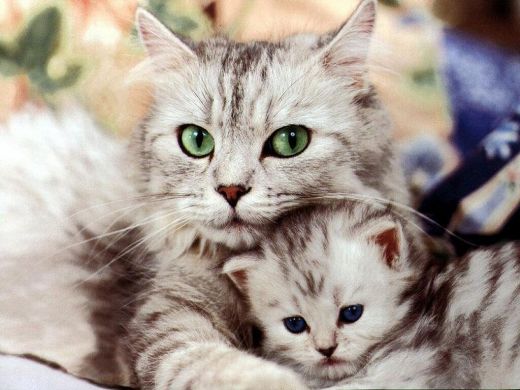
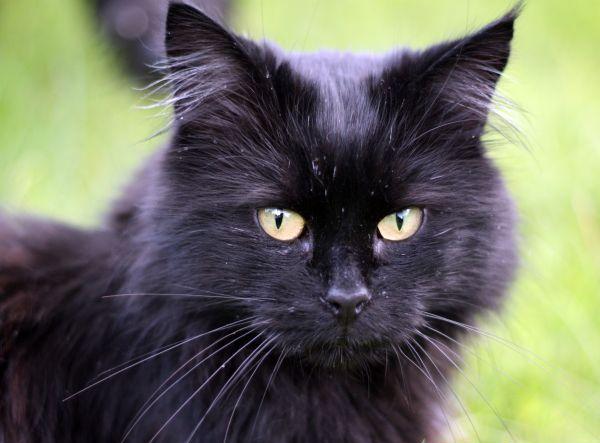
cat 1 300x187 Cat Crufts: inbreeding row over mutant animals Breeders have been accused of creating “bizarre mutant cats” after a new scientific report described a series of deformities found in some highly-prized pets.

Welfare experts and vets have even warned that many cats now have their fur shaved from between their back legs because they are so deformed they are no longer able to clean themselves properly.

The row comes as the Governing Council of the Cat Fancy (GCCF), the organisers of yesterday’s event, is preparing to bring in new guidelines on breeding policy, in a bid to avoid some of the controversy that has beset the dogs’ show Crufts in recent years. Among the measures will be a ban on breeding between siblings or between parents and their offspring.

Although the issue has so far attracted less attention than health problems among dogs, welfare concerns about pedigree cats have been increasing.

As with dogs, cats are bred selectively to exaggerate various physical characteristics which are considered attractive, such as the length – or absence – of fur, the size of an animal’s legs or the shape of its skull.

One major concern relates to breeds such as Persians – one of the most popular in the UK – which are bred to have a flat, “childlike” face.

In a new report, in the latest edition of the Journal of Feline Medicine and Surgery, vets from the University of Leipzig in Germany studied some of these animals and carried out “CT” (computerised tomography) scans to show how distorted their skulls had become.

The team found that the tear ducts and airways had become obstructed as a result of the inbreeding, meaning the animals’ tears do not drain away properly and cause breathing difficulties.

The cats’ misshapen skulls also cause their jaws and teeth to grow at odd angles. In the most extreme cases, they were left with teeth that were almost horizontal. Experts say that some animals also have such bulging eyes that they cannot close their eyelids properly.

In an editorial in the journal, leading welfare expert Claire Bessant, the chief executive of the Feline Advisory Bureau (FAB), wrote that some animals had become “a bastardisation of all the things that make cats special”.

The experts warn that current breeding is leading to the “bizarre mutant cats that could not exist without veterinary intervention”.

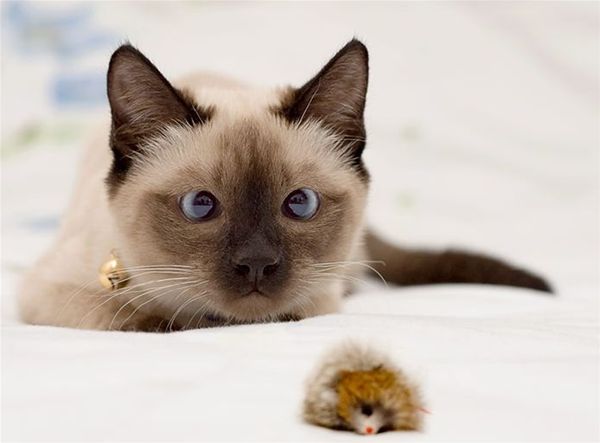
As well as problems associated with flat-faced cats, the writers also outlined concerns over other breeds, such as the Siamese, large numbers of which suffer from sight problems. The animal has been bred for its extreme “wedge shaped” heads and, in some cases this is leading to a condition where their skulls are too small for their them. The writers also point to problems with Manx cats, which are prone to spina bifida.

The writers claim that health problems affecting some breeds meant that long-haired cats are left unable to groom themselves properly and that shaving between their back legs has become popular in order to keep them clean.

The writers call for an immediate ban on breeding of badly-deformed cats, changes to breed standards and even suggest that the RSPCA could prosecute some breeders.

Ms Bessant, the chief executive of FAB, said: “No one has really given this argument a scientific basis before, but now they have. People have pushed certain characteristics too far and that is what has caused these problems. I would like to think that the GCCF are thinking about this, but they will be pressurised by the breeders not to change too much.”

John Hansson, the chairman of the GCCF, said the new guidelines had yet to be finally agreed upon by the council, but it would be brought in shortly. “There will be guidelines about testing for genetic problems and rulings on what is acceptable mating and what is not – so you won’t get mother to son and father to daughter and siblings mating,” he said.

“Currently, there is nothing to stop you doing that and that is part of the problem. You want to teach good practice rather than force it on people. But ultimately, of course, you may have to force it.”

Experts believe there are health problems now associated with most breeds. The most popular breed in the UK, the British shorthair, is prone to a kidney disease which causes death.

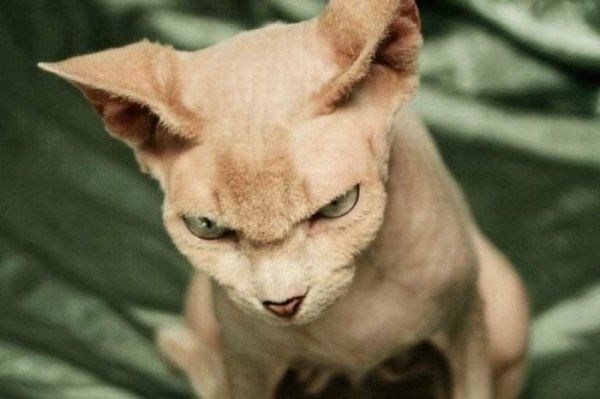
The almost hairless Sphynx cat, which is becoming increasingly popular, has been bred since the 1960s from a genetic anomaly in the Devon Rex, another breed.

Sphynx cats have to be kept indoors because their lack of hair makes them vulnerable to cold in the winter and sunburn in the summer and they have also been linked to other skin diseases. Burmese cats can suffer from pain around their face which can lead them to scratch themselves.

More on Web:


Cat owners eight times more likely to have MRSA in their homes

cat 2 300x193 Cat owners eight times more likely to have MRSA in their homesPet dogs, birds, rabbits and horses can also carry the disease which is “flipping” between humans and their animals, scientists believe.

Animals who have close contact with humans pick up the superbug and then leave traces of it around the home where other people can be infected.

A study of homes by researchers at the Center for Hygiene and Health in Home and Community at Simmons College in Boston, found MRSA in nearly half of the 35 residences they sampled, mostly on wet surfaces like baths, sinks and tap handles.

The study concluded: “The presence of a cat in the home was found to be a strong predictor for the isolation of MRSA.”

Dr Elizabeth Scott, who led the study, told the New York Times: “There are a number of papers coming out now showing that pets pick up MRSA from us and that they shed it back into the environment again.”

Medical experts recommended people should frequently wash their hands before and after playing with a pet and not let animals lick their faces. They should also not wash pet food bowls in the same kitchen sink as cutlery.

Methicillin-resistant Staphylococcus Aureus (MRSA) lives harmlessly on the skin and in the noses of a third of the population.

The bacteria becomes dangerous when it enters the body, particularly in anyone who is vulnerable, such as the elderly, newborn babies and those recovering from surgery.

If a wound becomes infected, the bacteria can spread throughout the body and cause potentially fatal blood poisoning.

More on Web:


‘Thief’ who broke into a lion park is ‘ripped apart’ by up to 10 animals

lion 1 235x300 Thief who broke into a lion park is ripped apart by up to 10 animals A suspected thief who broke into a lion park was “ripped apart” by up to 10 animals.
The intruder got through three security fences before reaching the main enclosure when he was ferociously attacked by the wild beasts.

Ian Melass at the Lion Park in  Johannesburg, South  Africa, said: ‘It was late  yesterday after the park was closed and the rangers were rounding up the lions to be put in their enclosure overnight.

‘They noticed one male lion and two female lions sitting on something and under closer inspection they found  it was a human body.

‘They got them off the body and found the lions had broken his neck, chewed out his abdomen and ripped him apart.

‘He didn’t stand a chance – there are 10 animals in that pen. I don’t  know what he was doing in there. He must have known there were lions because there are signs everywhere.

‘We’ve had problems with people from informal settlements round here stealing  fences. I can’t be 100 per cent sure but he was probably trying to steal something or was a small time poacher.’

The police were called but the body had no identification papers.

Mr Melass added: ‘I hate to say this but I hope this acts as a deterrent to people thinking of breaking in here. People, including some staff here,  forget that these are wild animals and their instinct is to kill.

‘This man had no chance and is now dead,’ said Mr Melass, who also stated there  were no plans to kill any of the animals after the death.

The park, which has been running for 40 years, has 100 lions and is a  major tourist attraction in the  Johannesburg area.

In another attack earlier on the same day in North  West province, six caged lions savaged a farm worker who had gone into their cage to feed them, leaving  only his fingers and intestines.

Police said the 49-year-old man had been delivering water  to the animals when he was attacked at the farm near Mafikeng. He had worked at the farm for two  years.

Local environmental officials later visited the game farm to discus what to do with the animals.

More on Web:


Ice cream thieves!

Seagulls

Gulls (often informally called seagulls) are birds in the family Laridae. They are most closely related to the terns (family Sternidae) and only distantly related to auks, skimmers, and more distantly to the waders. Until recently, most gulls were placed in the genus Larus, but this arrangement is now known to be polyphyletic, leading to the resurrection of several genera.

They are typically medium to large birds, usually grey or white, often with black markings on the head or wings. They typically have harsh wailing or squawking calls. They have stout, longish bills, and webbed feet. Gull species range in size from the Little Gull, at 120 g (4.2 oz) and 29 cm (11.5 inches), to the Great Black-backed Gull, at 1.75 kg (3.8 lbs) and 76 cm (30 inches)…

Seagulls 1 Ice cream thieves!

Seagulls 3 Ice cream thieves!

Seagulls 7 Ice cream thieves!

Seagulls 9 Ice cream thieves!

Seagulls 10 Ice cream thieves!

Seagulls 12 Ice cream thieves!

Seagulls 11 Ice cream thieves!

Seagulls 2 Ice cream thieves!

Seagulls 4 Ice cream thieves!

Seagulls 6 Ice cream thieves!

Seagulls 5 Ice cream thieves!

Seagulls 8 Ice cream thieves!

More on Web:


Wild animals can be kept as pets without being checked under changed law

tiger 1 300x183  Wild animals can be kept as pets without being checked under changed law  Tigers, wolves, crocodiles and other exotic animals will be allowed to be kept as pets without regular checks in a shake-up of the law.

Ministers yesterday supported the change which means owners of exotic or fierce animals will no longer need an annual visit from a vet and council inspector.

The Government said updating the Dangerous Wild Animals Act 1976 would cut red tape. But animal welfare experts warned that hundreds of exotic pets could suffer while the public would be left at increased risk.

The RSPCA said exotic animals needed yearly inspections by specialist vets to ensure they were being cared for properly.

At the moment, anyone keeping a wild creature in their home or garden must obtain an annual licence from their council after a visit from a vet and safety inspector.

Around 375 are issued each year, covering dozens of species. A report proposes extending these to two years and dropping the need for inspections each time a licence is renewed.

Existing licence holders could also buy more exotic animals without an inspection. Zoos, circuses and pet shops are not covered by the Act.

More on Web:


Birds do it, bees do it… in fact virtually all animals have ‘gay’ relationships, scientists say

Birds 1 230x300 Birds do it, bees do it... in fact virtually all animals have gay relationships, scientists say Homosexuality exists through almost the entire animal kingdom and may even be vital for the survival of the species, according to new research.

Same-sex pairings have previously been observed in more than 1,000 species including dolphins and penguins, but now scientists say they also happen among worms, frogs, birds and many, many others.

The findings fly in the face of conventional views of how animal species thrive and are bound to ruffle the feathers of those who believe homosexuality is unnatural.

Evolutionary biologist Dr Nathan Bailey said: ‘It’s clear same-sex sexual behaviour extends far beyond the well-known examples that dominate both the scientific and popular literature – for example, bonobos, dolphins, penguins and fruit flies.’

Almost a third of Laysan albatrosses on the Hawaiian island of Oahu have been raised by two females.

The ‘lesbian’ pairs have got together to raise broods because there has been a shortage of male albatrosses.

They raise fewer chicks than heterosexual pairs, but their efforts are helping to restore the dwindling population of the birds on the island, the study says.

Other animal species tend to show homosexual pairings in lower proportions of about 10 per cent, the same fraction that has long been controversially claimed for humans.

A pair of male penguins recently hatched an egg at Bremerhaven Zoo in northern Germany after its biological parents rejected it.

Half the time male bottlenose dolphins have sex they are having it with other males, while for male bearded vultures same-sex encounters make up a quarter of all couplings.

More on Web:


Pictured: Conservationist gently strokes tiger sharks as they tear at the flesh of the dead whale he is standing on

These amazing pictures show a man stroking frenzied tiger sharks as they savagely rip apart a dead whale he is standing on.

Leon Deschamps, 32, wants to dispel ‘myth’ the animals are blood thirsty killing machines and put his own life at risk to prove it.Photographs show Leon’s hands and feet just millimetres from the tiger sharks’ razor sharp jaws.

sharks 1 Pictured: Conservationist gently strokes tiger sharks as they tear at the flesh of the dead whale he is standing on

The conservationist from Shark Bay in Western Australia – said people perceive all sharks to be the same and that tiger sharks are victims as a result.

Leon said: ‘We fear tiger sharks because we do not understand them. They are lumped into the same group as great whites and bull sharks, just because they are a type of shark, but their feeding and predation habits are completely different.

‘We must be more species specific when we talk about sharks.

‘I want to bring the animals into the public arena, educate people so that they know they are not blood thirsty killing machines.

‘Tiger sharks are not constantly aggressive. And now people can see that, after I threw myself into the middle of a feeding frenzy.’

He added: ‘Feeding is a time when they are supposed to be at their most ferocious. But I think they quite enjoyed me stroking their noses.

‘They are like a pet dog. You can share beautiful, incredible interaction with them, but if you do not show them respect, even a pit bull can rip you to shreds.’

Leon insists the stunt was spur of the moment and strongly warns people not to attempt the same feat.

He said: ‘I heard about the whale carcass from fishermen coming back to shore.

‘Me and some friends travelled through the night on a Catamaran and arrived early the next day. We were the first to arrive and saw the sharks in a eating frenzy.

‘It was totally spur of the moment but I knew it was incredibly safe. It was because it was not a planned event that made it so special.

‘You must remember the whale was grounded, beached in about one metre of water. I was stable. great whites can jump and will do so to get their prey. Tiger sharks don’t.

‘It was the safest time I would ever get to touch these animals during feeding. I wasn’t scared because I have educated myself about the animal. It was an amazing experience, a once in a lifetime opportunity and wild horses would not have stopped me from doing it.’

He added: ‘I’ve done this so that people talk about tiger sharks. I’m all about conservation. I don’t want anyone touching a dead whale or touching tiger sharks. But if I can educate people about them then hopefully that will dispel the myths surrounding them and help promote conservation.’

Leon will conduct shark safari tours for tourists from January to further educate people about the species.

But he says no one will be touching the sharks, or even getting close to them.

Leon said: ‘It’s called Shark Bay for a reason and is one of the most richly diverse national parks in the world, right up there with the Great Barrier Reef, Grand Canyon and the Galapagos Islands.

‘But even the authorities don’t like me mentioning the sharks, because they think I’ll scare off all the tourists.

‘I want to change people’s opinions about them and make Shark Bay a place where people come to discover them and watch them close up, like you go on safari in Africa to see a tiger in the wild.

‘Because the bay is so shallow, there is a unique opportunity to educate people about them here.

‘And the best way to see them is via a 4×4 vehicle on top of the 20 metre cliff looking down on them, not driving along the beach or even in a boat.

‘That way, you get to see them in a totally natural environment, undisturbed, just doing what sharks do.’

He added: ‘Because of Jaws the movie, there is a sensational Hollywood image of all sharks. But tiger sharks hate conflict.

‘They don’t like killing big things in case they get a cut or scratch that leaves them open to infection – so they look for dead animals to feast on like this whale.

‘They probably won’t eat now for another four months.’

Leon added: ‘I’m 32 now and I’ve finally found something to believe in. I’m wholeheartedly drawn to help their conservation.’

A spokesman for the Department of Environment and Conservation warned that touching whales was illegal and people were not to interfere with sharks because of the risk of attack.

He said of the stunt: ‘This is highly irresponsible and dangerous behaviour and puts people’s lives at risk.’

More on Web:


Cavy Olympics

The guinea pig (Cavia porcellus), also commonly called the Cavy, is a species of rodent belonging to the family Caviidae and the genus Cavia. Despite their common name, these animals are not pigs, nor do they come from Guinea.

In Western societies, the guinea pig has enjoyed widespread popularity as a household pet since its introduction by European traders in the 16th century. Their docile nature, their responsiveness to handling and feeding, and the relative ease of caring for them, continue to make the guinea pig a popular pet. Organizations devoted to competitive breeding of guinea pigs have been formed worldwide, and many specialized breeds of guinea pig, with varying coat colors and compositions, are cultivated by breeders.

Here is a cute gallery of the Guinea Pig Olympics. Various sports shown are archery, fencing, swimming, weight lifting, boxing, table tennis and others.

cavy olympics 1 Cavy Olympics

cavy olympics 2 Cavy Olympics

cavy olympics 3 Cavy Olympics

cavy olympics 4 Cavy Olympics

cavy olympics 5 Cavy Olympics

cavy olympics 6 Cavy Olympics

cavy olympics 7 Cavy Olympics

cavy olympics 8 Cavy Olympics


More on Web:


Depressed Dog On The Street

Pets come in all shapes and sizes. From Baxter the bulldog to Sally the Siamese, all pets have one thing in common: They need your love. But with hectic workdays, followed by busy evenings filled with after-school activities or errands, it’s easy to forget your furry friend from time to time.

depressed dog 1  Depressed Dog On The Street

depressed dog 2  Depressed Dog On The Street

depressed dog 3  Depressed Dog On The Street

depressed dog 4  Depressed Dog On The Street

Adorable sweater wearing pug that looks a bit too depressed as it hangs around outside cafe Trieste in San Francisco. Someone needs to give the little guy some love.


More on Web:


Birth Of Baby Crocodiles

Baby Crocodiles 300x231 Birth Of Baby CrocodilesCrocodiles are vicious predators that have lived through the dinosaur age and sometimes called as the living dinosaurs. Dangerous to humans and killing hundreds of people each year in the world, there is a softer side to these ambush hunters – when the little croc babies hatch from their eggs. They still look fearsome and would bite even when their teeth are not formed yet.

More on Web: